

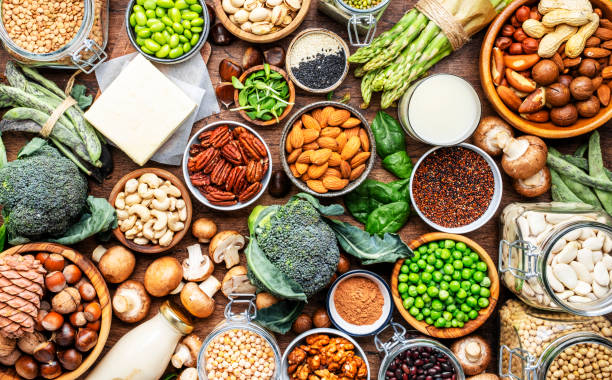

A lot of people are switching to plant-based diets to meet their nutritional demands in the fast-paced, health-conscious world of today. Since meals high in protein are frequently found in animal products, vegetarians in particular may find it difficult to achieve their daily protein needs. On the plus side, there are plenty of plant-based, high-protein meals that can be included in a vegetarian diet. Our goal at WellHealthOrganic is to provide information about natural, organic, and healthful foods that can preserve muscle mass, increase protein intake, and promote general health.
One of the key macronutrients needed by the body for tissue growth and repair, hormone and enzyme synthesis, and immune system support is protein. Although meat, eggs, and dairy products are typically regarded as the best sources of protein, vegetarian and plant-based options can be just as beneficial—if not more so—in giving your body the protein it needs for good health.
Lentils are among the best vegetarian protein sources. These little beans are high in fiber, iron, and folate in addition to protein. Lentils are a great option for vegetarians who want to increase their protein intake because a cup of cooked lentils contains about 18 grams of protein. Because of their great versatility, lentils can be used in salads, soups, stews, and even as patties for vegetarian burgers.
Chickpeas are another high-protein vegetarian food. Garbanzo beans, often known as chickpeas, provide roughly 15 grams of protein per cooked cup. They are abundant in fiber, which facilitates digestion and encourages fullness, in addition to protein. Chickpeas are a mainstay of a high-protein vegetarian diet since they may be roasted, turned into hummus, or added to salads and curries.
A serving of tofu, which is manufactured from soybeans, has roughly 10 grams of protein, making it a great source of protein. It is a favorite among vegans and vegetarians alike because it is a meal that can be utilized in both savory and sweet recipes. Since tofu takes on the characteristics of the food it is cooked in, it may be easily used to a variety of recipes, such as smoothies and stir-fries. Tofu is also a complete protein, which is vital for vegetarians because it contains all nine essential amino acids.
Another high-protein choice for vegans is tempeh, which is also produced from soybeans. It is one of the most abundant plant-based protein sources, with about 21 grams of protein per 100 grams. Compared to tofu, tempeh has a firmer texture and a nutty flavor that goes well with savory foods. It can be used in salads, sandwiches, wraps, and stir-fries after being sliced, grilled, or crumbled.
Quinoa is a great choice for people looking to increase their protein intake without consuming a lot of calories. Quinoa is a complete protein, which means it has every necessary amino acid the body requires, in contrast to the majority of plant-based proteins. There are roughly 8 grams of protein in one cup of cooked quinoa. This gluten-free grain is a great complement to a well-balanced vegetarian diet because it is also high in fiber, magnesium, and antioxidants. Quinoa can be substituted for rice in a variety of recipes and added to salads and bowls.
Another excellent plant-based protein source is edamame, or immature soybeans. Edamame is a high-protein snack or meal addition, with about 17 grams of protein per cup. Edamame is a nutrient-dense vegetarian choice because it is high in vitamins, minerals, and fiber. Edamame can be stir-fried with veggies for a quick and nutritious supper, or it can be eaten as a snack or added to salads.
Hemp seeds provide an amazing 10 grams of protein per 3 tablespoons, making them a more inventive protein source. These seeds are a great addition to salads, cereal, and smoothies because they are also rich in omega-3 fatty acids and other beneficial fats. Hemp seeds are a complete protein source since they are one of the few plant-based foods that contain all nine essential amino acids.
Although chia seeds are frequently praised for their fiber and omega-3 fatty acids, they also contain a respectable quantity of protein. About 4 grams of protein can be found in just 2 tablespoons of chia seeds. These little seeds make a great garnish for salads or yogurt, or they can be used to smoothies and puddings. Chia seeds can aid with digestion and hydration since they are hydrophilic, which means they absorb water and take on the consistency of gel.
Though in smaller amounts than legumes and nuts, spinach and other leafy greens like kale and collard greens are nevertheless great sources of protein. There are roughly five grams of protein in one cup of cooked spinach. Leafy greens are a vital component of any high-protein vegetarian diet, even if they are not as high in protein as other options. They are also abundant in vitamins, minerals, and antioxidants.
Last but not least, Greek yogurt is a high-protein choice that you may include in your regular meals if dairy is a part of your vegetarian diet. Greek yogurt contains bacteria that promote digestive health and roughly 10 grams of protein per cup. It can be eaten with nuts and fruits, or it can be used in a variety of recipes in place of mayonnaise or sour cream.
The secret to making sure you receive enough protein each day when following a vegetarian diet is to include a range of these high-protein foods. These foods are rich in fiber, vitamins, minerals, and other health advantages that are vital for general well-being in addition to providing important amino acids. Diversifying your protein sources is crucial because it will assist guarantee that you’re getting a variety of nutrients required for immune system support, muscle mass maintenance, and the promotion of healthy skin, hair, and nails.
To sum up, vegans can satisfy their protein requirements without depending on animal products. The protein required for a balanced and healthful diet can be found in a wide range of plant-based foods, including leafy greens, legumes, seeds, and soy products. Vegetarians may make sure their bodies are getting the nutrients they require to flourish by including high-protein foods like quinoa, beans, lentils, tofu, and more. In order to promote long-term health and vigor, we at WellHealthOrganic support a balanced, high-protein, nutrient-dense vegetarian diet.