

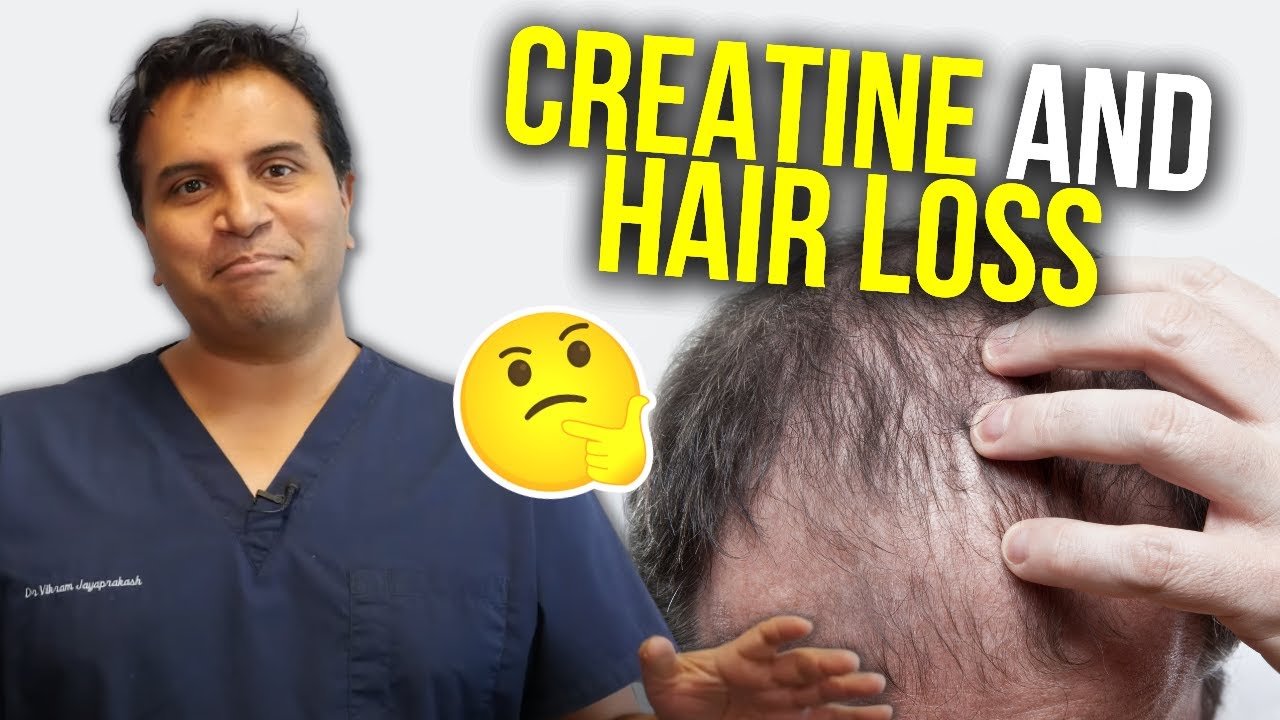

A common supplement used by bodybuilders and athletes to boost performance, develop muscle, and increase workout endurance is creatine. But there have been questions about whether taking creatine supplements can cause hair loss, especially in people who are genetically prone to androgenic alopecia, or male pattern baldness.
What we know is as follows:
1. Creatine’s Function in the Body Creatine is a naturally occurring substance that is present in the brain and muscles and aids in the production of energy during brief periods of high activity. It is frequently taken as a supplement to improve muscle growth and sports performance. Consuming creatine causes your muscles to produce more creatine phosphate, which gives you extra energy for intense exercise.
2. The Fear of Losing Hair
A 2009 study that suggested creatine supplementation may raise dihydrotestosterone (DHT) levels is the main source of worry regarding creatine and hair loss. In people who are genetically prone to male pattern baldness, DHT, a hormone that is produced from testosterone, is thought to play a role in hair loss.
DHT levels significantly increased following three weeks of creatine supplementation, according to a study conducted on rugby players in college. One important component in male pattern baldness, the shrinking of hair follicles, has been connected to elevated DHT levels.
3. Does Hair Loss Occur With Creatine?
There is no concrete proof that creatine causes hair loss, even though the study did find a link between its use and elevated DHT levels. The link to DHT implies that people who are genetically prone to hair loss can develop baldness or hair thinning more quickly as a result of higher DHT levels.
Nonetheless, there is disagreement among scientists over whether using creatine supplements by themselves significantly contributes to hair loss. Hair loss is more likely to be caused by other factors than by taking creatine supplements, such as hormone fluctuations, nutrition, lifestyle, and heredity.
4. Hair Loss and Genetic Predisposition
High DHT levels increase the risk of baldness or thinning hair in people who are genetically prone to hair loss. There is no certainty that creatine can speed up the process for these people, but it may help. Before beginning creatine supplements, it’s advisable to talk to your doctor if you have a family history of male pattern baldness or if you’re worried about hair loss.
5. Additional Elements That Affect Hair Loss
In addition to creatine, other variables that can induce hair loss include:
Genetics (baldness in the family)
Unbalanced hormones
Deficits in nutrition
Anxiety and tension
Drugs
Growing older
Therefore, creatine is probably only one of several factors that lead to hair loss, even if it has a slight effect on DHT levels.
6. Is It Safe to Use Creatine?
When taken as prescribed, creatine is generally regarded as safe and well-tolerated. It has been well investigated, and aside from the potential for weight gain or mild digestive problems, there is little evidence that it has any serious adverse effects. It’s wise to keep an eye on any changes in your hair and speak with a healthcare provider if you’re worried about possible hair loss.
7. What Should You Do If Hair Loss Is a Concern?
Here are some tactics to think about if you’re using creatine and worried about hair loss:
If there is a discernible change in hair loss, stop using creatine supplements or cut back on them.
See a physician or dermatologist for tailored guidance. They are able to evaluate your risk factors and suggest a plan of action.
Think about other options: Try varying how much creatine you take, taking pauses, or looking into other supplements to help with muscle building and performance if you still desire the benefits of creatine.
In conclusion
In conclusion, there isn’t any solid proof that creatine promotes hair loss. However, in people who are genetically prone to male pattern baldness, it may raise DHT levels, which could hasten hair loss. It is advisable to assess the advantages of creatine supplementation against any hazards and speak with a healthcare professional if you are worried about the possible effects on your hair.