

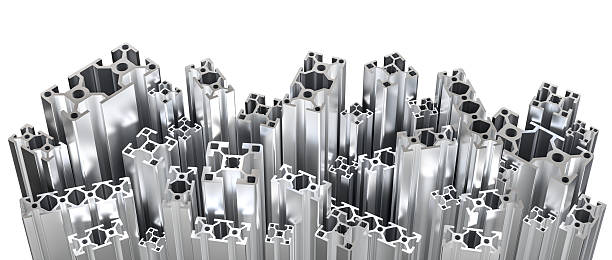

Hardware turns a bare aluminum frame into a working enclosure, cart, guard, workstation, or machine support. Small accessories control how people open doors, move panels, stop travel, cover profile ends, and use the finished structure. Thoughtful selection keeps MiniTec Aluminum Framing easier to maintain because compatible parts can be replaced or repositioned without rebuilding the frame.
End Caps
End caps close exposed aluminum profiles and give the structure a cleaner, safer finish. Molded or press-fit caps cover sharp edges, reduce snag points, and keep chips or dirt from collecting inside hollow sections. Open ends may seem harmless, yet they can catch clothing, gather debris, or leave unfinished surfaces exposed in work areas. Properly sized caps should match the profile dimensions so they stay secure without forcing the aluminum framing material out of shape. Finishing an extruded aluminum T slot frame with end caps also helps distinguish completed sections from rails that still need hardware.
Handles
Handles give operators a controlled place to grip doors, carts, covers, and adjustable sections. Mounted directly to a T slot extrusion with compatible fasteners, they can often sit at a comfortable height without drilling through the profile. Ergonomic placement matters on equipment used many times per shift because awkward reach can make a lightweight door harder to operate. Because modular slots allow movement along the rail, technicians can adjust a handle later if the enclosure layout or operator position changes.
Grip style should match the task rather than appearance alone. Rounded pull handles suit guards and access doors, while larger bridge-style handles can give better control on mobile frames or heavier panels. Clearance around gloves, brackets, and moving parts should also be checked before installation. Selecting handles as part of an aluminum framing kit keeps mounting hardware consistent and reduces the chance of using fasteners that sit poorly inside the slot.
Hinges
Hinges turn fixed framing into doors, access panels, folding sections, and movable covers. Correct hinge spacing helps distribute door weight along the vertical profile so the lower connection does not carry the entire load. Wider or heavier panels may need additional hinges to prevent sagging, especially where repeated opening stresses the mounting points. Adjustable hinge positions work well with T slot aluminum extrusion because technicians can fine-tune door gaps before tightening every fastener. Alignment should be checked through the full swing so a door does not bind against panels, latches, or adjacent framing.
Latches
Latches keep doors and access panels closed during normal machine operation. Mechanical, magnetic, and locking styles serve different needs depending on how firmly the panel must stay shut and whether access should be restricted. Positive engagement matters around vibration because a loose door can rattle, shift, or interfere with nearby equipment. Pairing the latch position with the hinge line also helps the door close evenly against the MiniTec extruded aluminum framing.
Safety-related guards may need more than a simple catch. Interlock-compatible hardware can support applications where opening a door must trigger a machine stop or prevent operation until the guard closes. Placement should let the latch engage without forcing the frame sideways, since misalignment can loosen fasteners over time. Careful setup keeps the hardware easy to use while preserving the square geometry of the enclosure.
Panel Hardware
Panel hardware holds polycarbonate, wire mesh, sheet metal, or composite material inside or against the frame. Clips, retainers, gaskets, and mounting blocks let builders secure infill without welding custom tabs to each opening. Flexible retainers can reduce rattling where machinery creates vibration. Spacing should keep larger panels from bowing while allowing appropriate clearance for thermal movement. Compatible hardware makes MiniTec Aluminum Framing easier to service because a damaged panel can be removed without disturbing structural joints.
Rolling Door hardware
Rolling door hardware gives enclosures an alternative where a swinging panel would take up too much aisle or machine space. Tracks, rollers, guides, handles, and stops work together to keep the door moving along the frame. Smooth travel depends on parallel mounting surfaces, consistent track spacing, and a rigid support structure. Using an extruded aluminum T slot system allows brackets and guides to be adjusted during setup rather than fixed before the door is tested.
Access width should guide the door layout from the beginning. Large openings may require additional roller support, stronger upper rails, or overlap between door sections to prevent gaps. Travel paths also need to stay clear of cables, sensors, switches, and protruding fasteners. Planning these details early keeps rolling hardware compact while preserving a wide opening for maintenance or material loading.
Stoppers
Stoppers define where moving parts end their travel and prevent doors, slides, or carts from striking nearby components. Positioned correctly, they limit motion before a handle, hinge, roller, or carriage reaches a damaging contact point. Different applications may use rigid stops, rubber buffers, or adjustable designs depending on speed and impact force. Durable mounting matters because repeated contact can loosen an undersized stop or shift it along the profile. MiniTec Solutions supports custom framing projects with a broad range of MiniTec Aluminum Framing components and finishing hardware. From doors and panels to handles, stops, and rolling assemblies, its product options give manufacturers more ways to build frames around the exact function and access needs of the application.